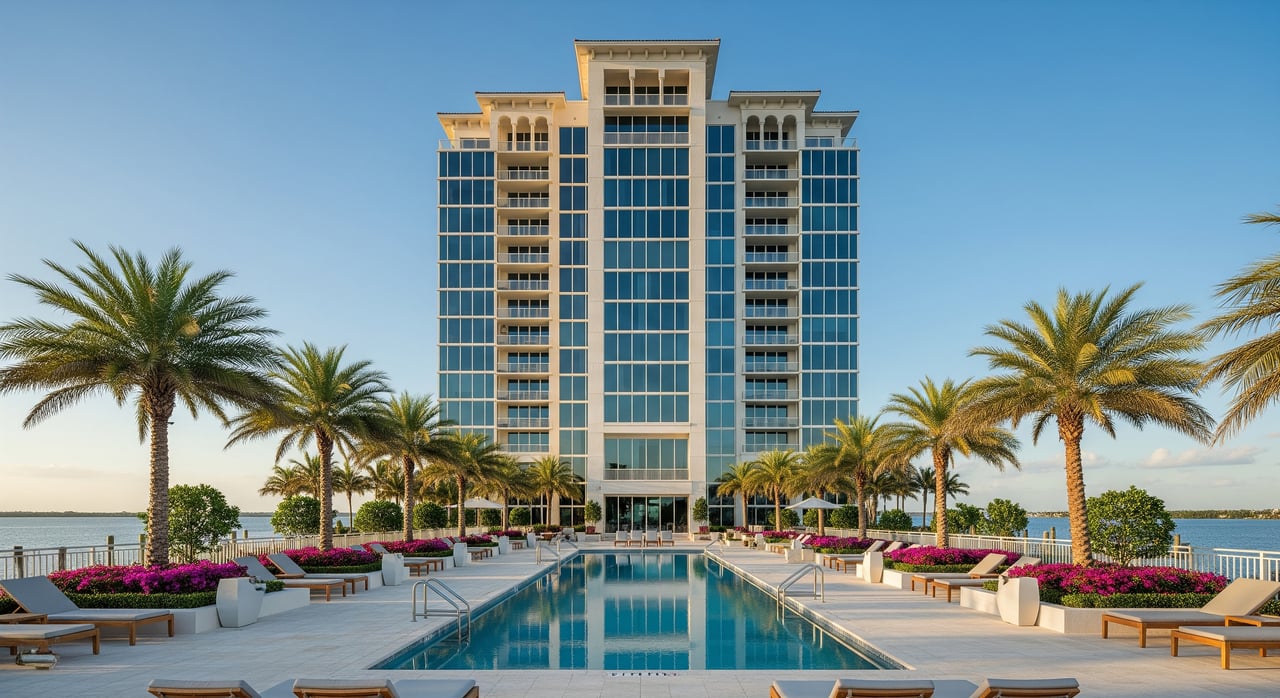
Thinking about a Park Shore high-rise and wondering how Florida’s updated condo reserve and inspection rules might affect your bottom line? You are not alone. Buyers want clarity on future costs, and sellers want smooth closings without surprises. In this guide, you’ll learn what the rules require, how they commonly show up in Naples towers, and how to protect your interests with clear, practical steps. Let’s dive in.
What Florida’s rules require
Milestone inspections at a glance
Florida’s Condominium Act sets out structural “milestone” inspections for multistory condo buildings and requires associations to share findings with owners. Many towers must complete an initial inspection at 30 years of age. For buildings within the statute’s defined coastal zone, the initial inspection often occurs earlier at 25 years. After that, inspections repeat every 10 years.
Licensed engineers or architects complete these inspections. They review structural components, waterproofing, roofing, balconies, parking garages, and other life-safety items. Reports go to the association and owners, and significant findings typically trigger timelines for repairs and disclosures.
Reserves and reserve studies
Associations must prepare an annual budget that includes operating expenses and reserves for capital projects and deferred maintenance. A reserve study by a qualified professional is widely considered best practice to estimate useful life and replacement costs for items like roofing, elevators, paving, and structural elements. Funding plans can include scheduled reserve contributions, special assessments, loans, or increased dues. Underfunding often raises the risk of future assessments and can concern lenders and insurers.
Park Shore towers: local takeaways
Park Shore is home to many mid to high-rise waterfront condos, and a number of towers were built in the 1970s through the 1990s. Because these buildings are coastal and many are now 30-plus years old, they are likely to be at or near inspection milestones. That can mean active engineering reports, discussions about façade or balcony work, and decisions on repair funding.
If a recent inspection identified significant repairs, buyers should expect the association to have a plan and a funding path. Sellers should be prepared to share inspection reports and any assessment plans. Timing matters, because major projects can affect listing strategy, pricing expectations, and closing timelines.
Financial impacts you should expect
Common findings in coastal high-rises
Milestone inspections often surface concrete spalling, corrosion of reinforcing steel, water intrusion, failed waterproofing, roof deterioration, and issues with balconies or parking garages. These items can require complex, multi-year projects that are costly and affect building access and amenities during construction.
How repairs are funded
If reserves are not sufficient, associations commonly use:
- Special assessments, either one-time or phased
- Association loans or lines of credit
- Higher regular assessments to rebuild reserves
For buyers, a tower with low reserves and fresh structural findings often points to near-term costs. For sellers, clear disclosure and an approved funding plan help maintain trust and protect contract timelines.
Lenders and insurance
Mortgage lenders may review inspection status, reserve positions, and special assessments. Buildings with structural findings or low reserves can face tighter underwriting. Eligibility for certain loan programs can depend on building condition and insurance coverage. Insurance carriers may raise premiums or deductibles if significant issues remain unresolved. Separate wind and flood exposures are also meaningful for coastal towers.
Typical timelines from inspection to repairs
Expect a multi-step process: inspection, engineering report, board review and scope approval, owner votes if required, contractor bids and permitting, then construction. Large projects can span months to years. If you are buying or selling, get clear on where the association is in this sequence before signing.
Buyer checklist for Park Shore condos
Documents to request
- Year built and certificate of occupancy
- Most recent milestone inspection report and any structural or engineering updates
- Current reserve study and any updated funding analyses
- Governing documents: declaration, bylaws, articles, and amendments, especially on assessments and reserves
- Financial statements for the last 2–3 years, including reserve balances and component schedules
- Board meeting minutes for the last 12–24 months
- Current annual budget and year-to-date results
- List of special assessments, loan agreements, and repayment schedules
- Association master insurance certificate with coverage and deductibles
- Details on any pending or current litigation
Questions to ask the association or seller
- Has the building completed the required milestone inspection? When, and by which licensed firm?
- What were the findings, and which items are immediate or near-term concerns?
- Is there an approved plan, timeline, and total cost for repairs?
- How will repairs be funded, and what are the payment schedules?
- What are current reserve balances, and what is the funding policy?
- Have bids been obtained, and are permits or owner votes needed?
- Are special assessments planned or approved, and when would they start?
- Are there lender or insurance restrictions impacting financing or premiums?
- Have there been recent structural repairs, water intrusion claims, or litigation?
- Are there rental restrictions or other covenants that could impact marketability or financing?
Red flags to scrutinize
- No milestone inspection when the building is at or near a statutory milestone
- Significant structural findings without a funded, approved plan
- Very low reserves relative to expected repairs, with no realistic path forward
- Large imminent assessment not disclosed before contract
- Pending litigation with potential financial impact
- Master insurance with large uncovered deductibles or inadequate coverage
Seller prep to protect your sale
Proactive disclosure builds credibility. Gather the latest milestone report, reserve study, budget, minutes, and insurance summary before listing. If your board has approved a capital plan or assessment, share the details early, including timing and payment schedules.
Pricing and timing should reflect where your building stands in the inspection-to-repair cycle. If construction is underway or upcoming, align your marketing calendar and showing plan with project schedules. Clear, factual communication helps buyers feel confident in moving forward and reduces last-minute renegotiations.
If you are upgrading presentation, thoughtful staging and compelling visuals can keep the focus on lifestyle and value while you provide full transparency on the building’s plan. Strong presentation and clear documentation work well together to support top-dollar outcomes.
How to verify and who to consult
For statutory requirements and deadlines, check the current text of Florida’s Condominium Act and related legislation, along with guidance from Florida’s regulatory agencies. For building age and permits, review Collier County and City of Naples records.
Professionals who can help you evaluate a specific tower include:
- Real estate attorney experienced in Florida condo law
- Licensed structural engineer or architecture firm
- CPA or financial advisor familiar with reserve accounting
- Association manager or management company representative
- Your lender and title company
- An insurance broker experienced with coastal master policies
Make a confident move in Park Shore
Florida’s updated rules aim to keep condo buildings safe and financially sound. In Park Shore’s coastal towers, that means milestone inspections, strong reserve planning, and clear funding strategies will shape values and timelines for years to come. If you secure the right documents early and ask focused questions, you can navigate with clarity, whether you are buying or selling.
If you want a calm, informed approach to a Park Shore move, reach out. With design-forward presentation, careful document review, and neighborhood insight, you can protect value and move at the right time. Connect with Janine monfort to start a tailored plan.
FAQs
What are condo milestone inspections in Naples?
- They are licensed engineering or architectural reviews required by Florida law at set building age milestones, with reports shared to owners and follow-up repair timelines as needed.
How do coastal rules affect Park Shore high-rises?
- Many coastal towers hit an earlier initial inspection timeline and face recurring inspections, which can lead to active repair plans and funding discussions.
What happens if a condo’s reserves are underfunded?
- Associations often turn to special assessments, loans, or higher dues to fund required repairs, which can impact owners and buyer affordability.
How can special assessments affect my closing as a buyer?
- Pending or newly approved assessments can change your total cost of ownership and lender approval, so you should review amounts, timing, and payment schedules before finalizing a contract.
Can I get a mortgage if a building has inspection issues?
- Lenders may tighten underwriting if there are structural findings or low reserves, and some loan programs consider building condition and insurance when deciding eligibility.
How long do repairs usually take after an inspection?
- Expect months for reports, planning, approvals, bidding, and permitting, followed by months to years for major construction, depending on scope and scale.
Where can I verify a building’s age and permits in Collier County?
- Check local building department and property appraiser records for year built, permit history, and any recent activity that may indicate ongoing or planned work.